How to keep family calendars, meals and checklists together
Family plans often end up in several places: an event in a calendar, a shopping note in a message and a list on the fridge. A useful weekly routine brings those pieces together without turning every household task into a project.
Give dates and tasks different jobs
Use a calendar for things that happen at a particular time, such as an appointment or a school event. Use a checklist for things that need doing, such as buying a present or packing a bag.
A reminder can prompt you to act before an event. Keeping those roles clear makes the calendar easier to read and gives unfinished tasks somewhere useful to live.
- Calendar: the appointment on Thursday at 10am.
- Checklist: the documents to bring.
- Reminder: a prompt to prepare before Thursday.
Review the week together
Choose a short weekly check-in that suits your household. Look at upcoming commitments before filling in the rest of the plan. Ask what needs preparing and who needs to know.
Keep the routine realistic. The goal is a shared understanding of the week, not a schedule that accounts for every minute. Leave space for plans to change.
Plan meals around the actual week
Start with the evenings when people will be home, late or eating separately. Choose a few meals that fit those circumstances, then note the ingredients you need.
Check what you already have before shopping. Keep recipes close to the meal plan so you can return to the ingredients and instructions without searching through old messages.
Make checklists specific enough to act on
“Sort holiday” is difficult to finish. “Check passport dates”, “book the train” and “pack chargers” are clearer tasks. Split a large plan into a small number of useful steps.
For recurring needs, keep a list you can revisit, such as a weekend packing list or the things to take to an activity. Update it when you notice something missing rather than starting from scratch every time.
Keep projects and reference notes connected
A home project might need a checklist, measurements, useful links and a few photos. Keep those together so you can find the information when it is time to act.
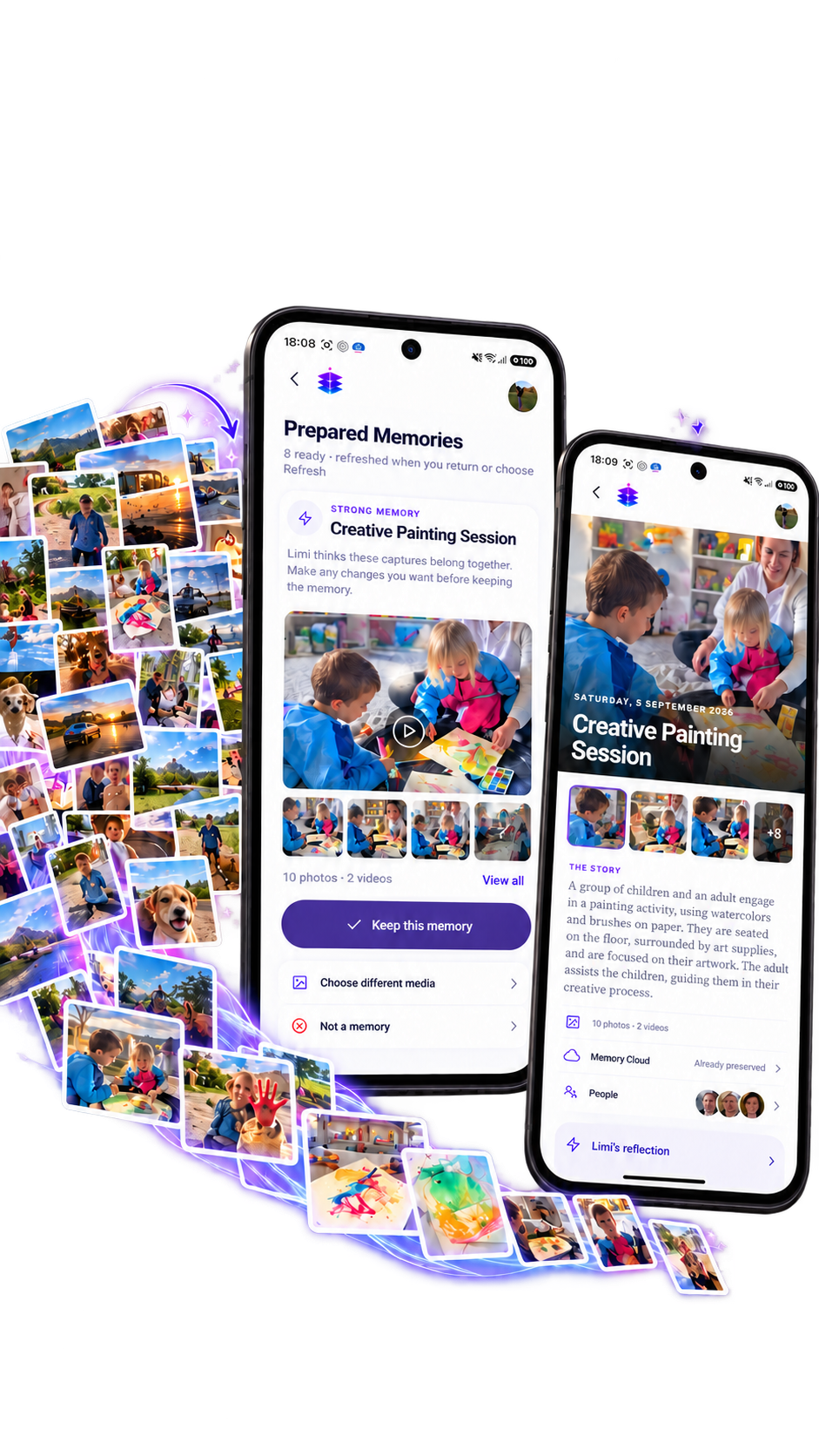
Do the same with a family trip: keep the plans, places and practical notes connected, then preserve the memories afterwards. The information that helps you prepare can also explain the story later.
Share deliberately and adjust as you go
Decide which plans are shared and which stay personal. Make sure the people involved know where to find the current information and can understand what has changed.
At the next weekly check-in, notice what helped and what you ignored. A smaller system that everyone uses is more useful than a comprehensive one that only one person maintains.
Bring everyday life into Memory Temple
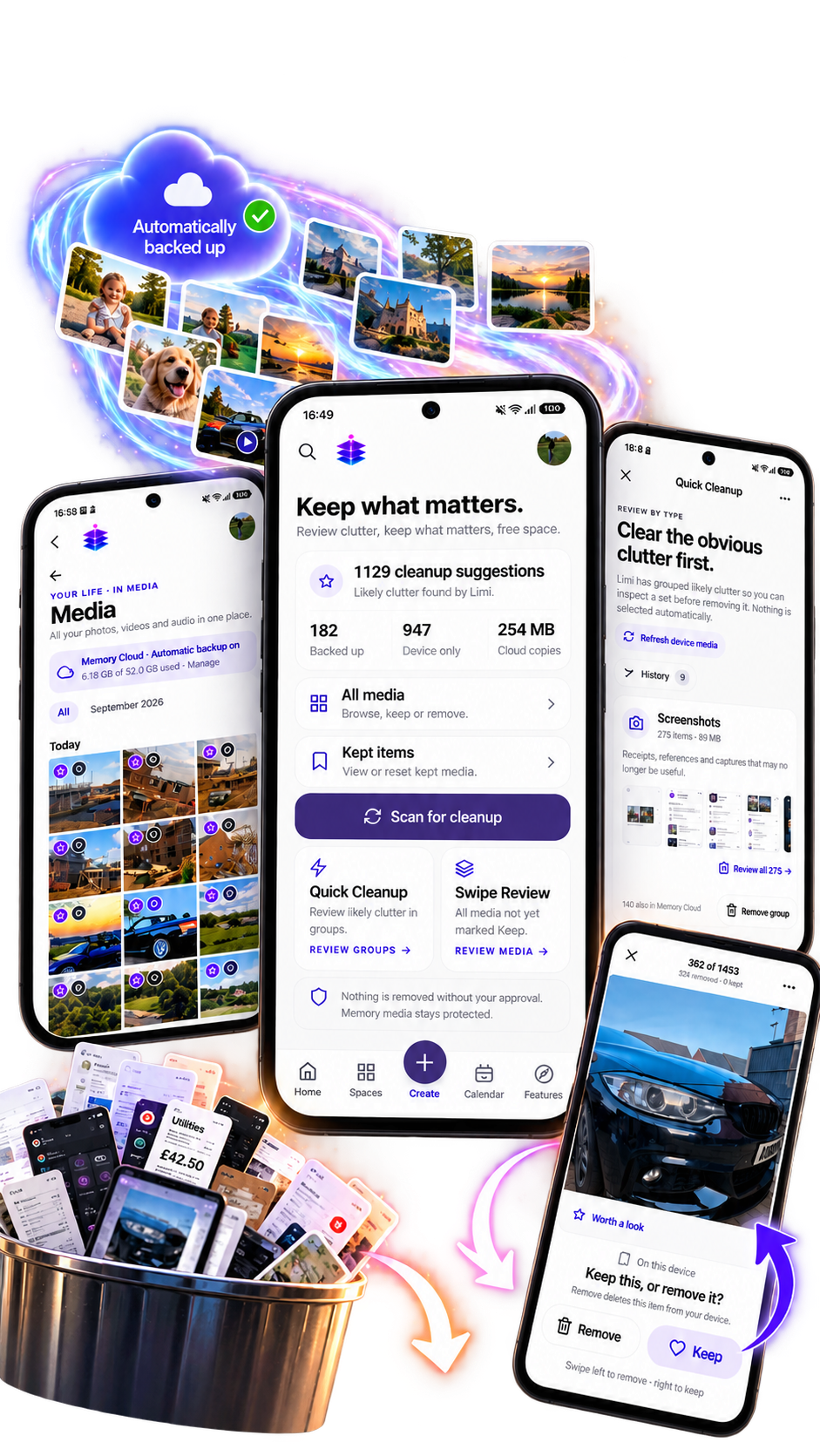
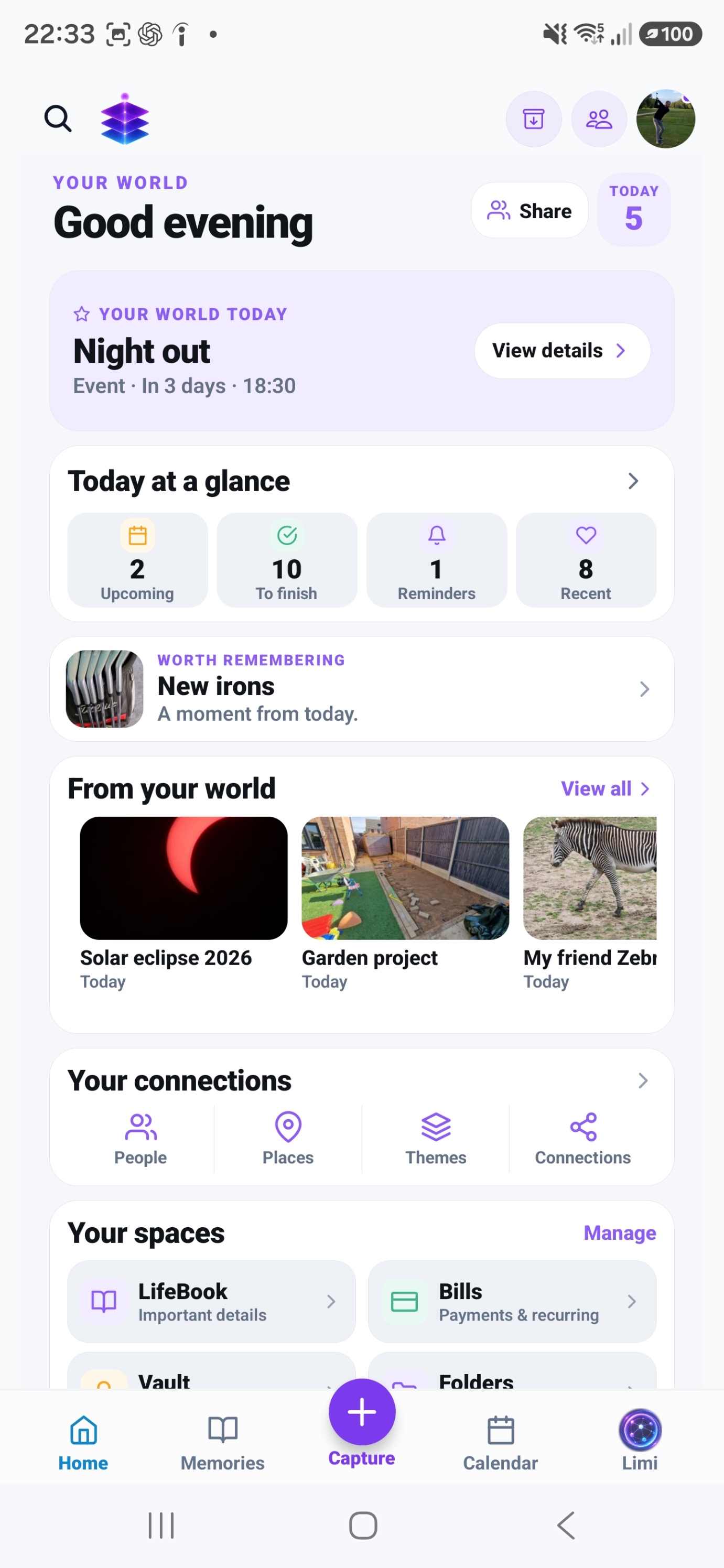
Both Free and Plus include Calendar, events, reminders, checklists, notes, links, Living Sheets, recipes and meal planning, alongside memories and connected people and places. Manual shopping lists and Limi are included in Free. Plus generates shopping lists automatically from meal plans. Choose the content you want to share and the people you want to share it with.
Explore Family organisationGET IT ONGoogle PlayTry it this week: add your fixed events, choose three meals and make one checklist for the preparations that matter.