How to organise family photos without losing their stories
A photograph can show who was there. It rarely tells you why everyone was laughing, what happened just before it, or why that ordinary afternoon became important. Organising family photos works best when you preserve that context as well as the files.
Start with one moment, not your whole collection
Choose something manageable: a birthday, a weekend away or an afternoon with the grandparents. A small, finished collection is more useful than a perfect system you never get around to using.
Gather the photographs and videos from that moment. Include a few ordinary details alongside the obvious highlights: the cake before it was cut, the place you stayed or the drawing someone brought home.
- Choose a moment you can describe in a sentence.
- Collect the relevant photos, videos and audio.
- Keep the original files until you have checked your saved copies.
Choose a meaningful set
You do not need every frame to tell the story. Pick the images that contribute something different: the people, the setting, an activity and a detail you want to remember.
There is no fixed number of photographs a memory needs. A blurry image might matter more than a technically better one because it captures an expression you recognise. Keep what matters to you.
Write the things the camera could not capture
Add a short description while the details are still familiar. Include names, the occasion and the place, then one or two details that would be difficult to reconstruct later.
For example: “Sunday painting at home with Arlo and Ivey. We ran out of blue paint, so the sea became purple. Grandma helped us hang the pictures in the kitchen.” That tells a future reader much more than “September photos”.
- Who was there?
- What were you doing, and where?
- What made the moment worth keeping?
- Is there a quote or small detail you might otherwise forget?
Connect memories without making the system complicated
Use consistent names for people and places. When you later want to find memories involving a person or a favourite location, those connections are more helpful than a long list of miscellaneous folders.
If you do not know an exact date, avoid inventing one. Record the context you do know, and ask someone else in the family if they remember the missing details.
Check your backup before tidying
Organising photos and backing them up are different tasks. Before deleting or moving originals, check that the copies you intend to rely on are accessible and complete. Open a few photos, play the videos and make sure you are checking the correct account.
For irreplaceable family material, consider keeping an additional copy separately. A shared album is useful for enjoying memories together, but it should not be your only plan for preserving the originals.
How Memory Temple can help
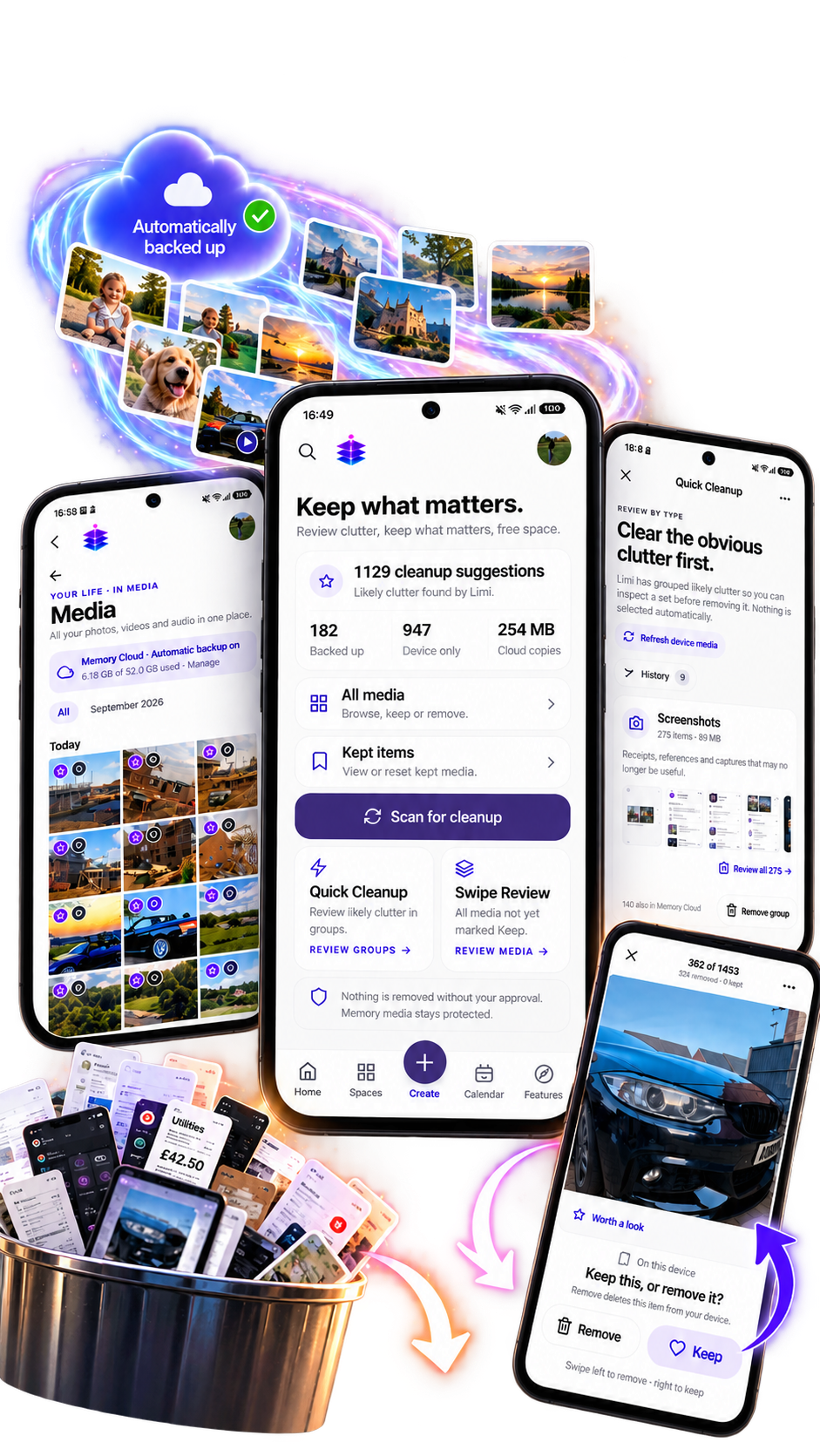
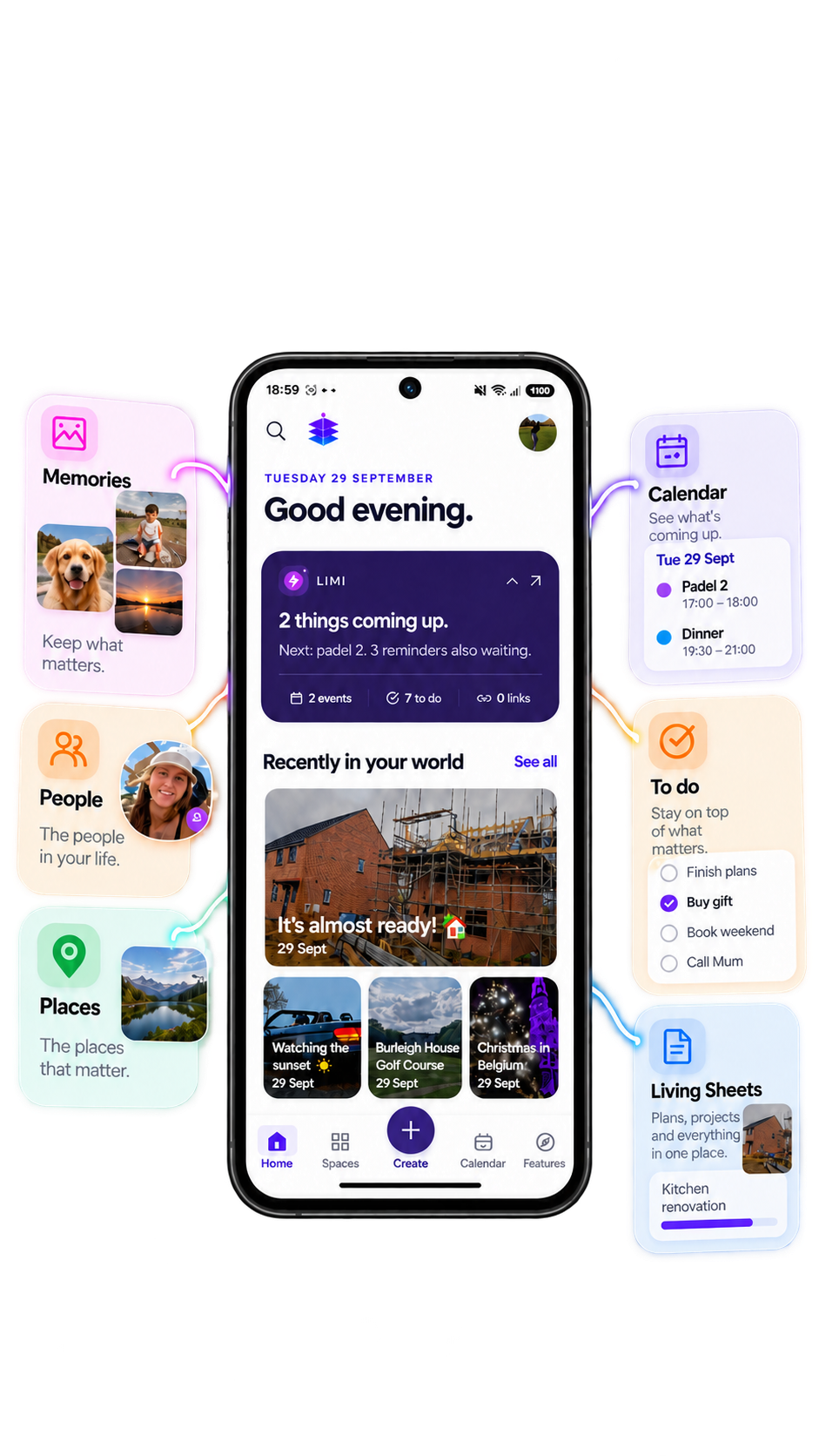
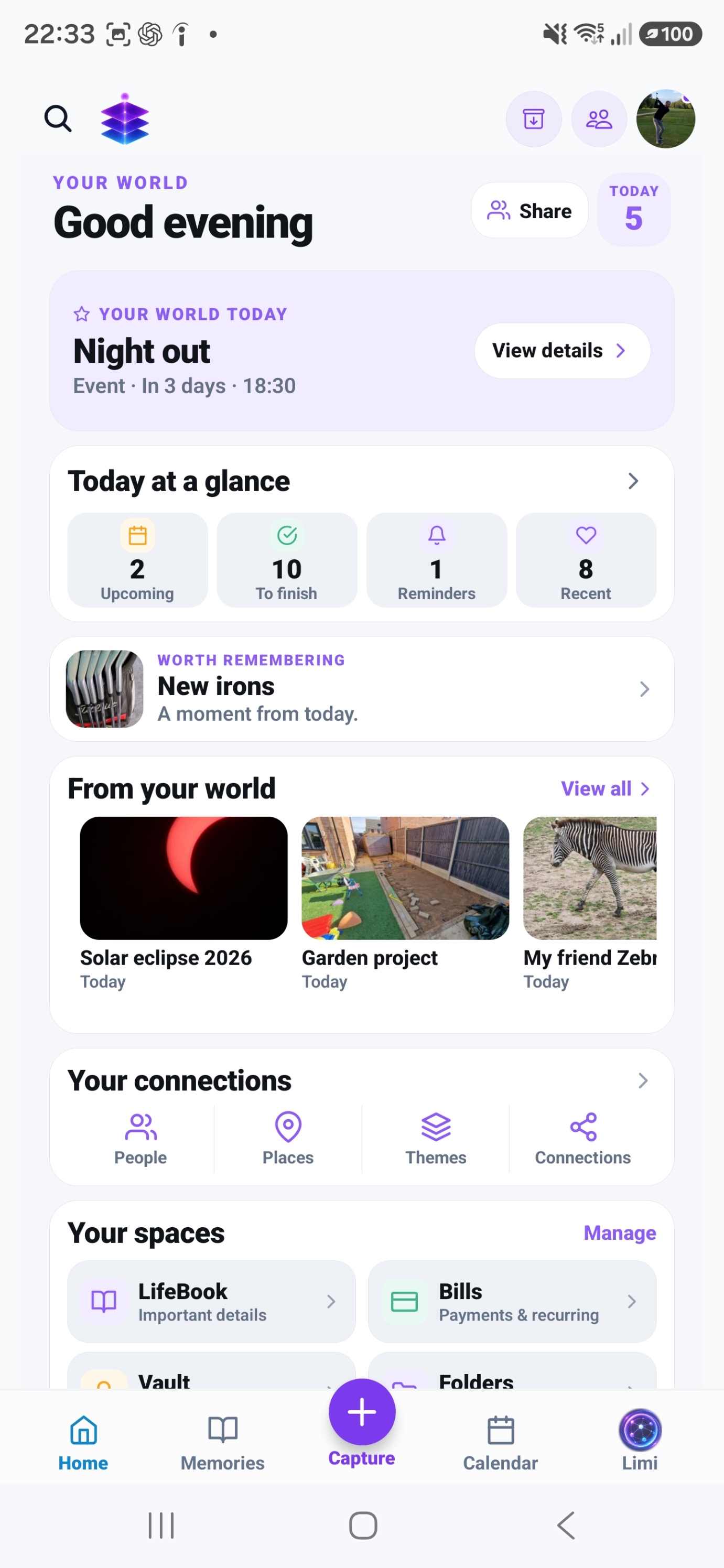
Memory Bank brings imported media into the same place as your memories, people and places. Both Free and Plus include imports and memory creation. Limi is currently Free. Prepared Memories may be reviewed to understand their value; keeping or creating the Prepared Memory requires Plus. Always check suggested stories and details yourself.
Explore Memory BankGET IT ONGoogle PlayTry it today: choose one afternoon, keep the pictures that tell its story, and write three sentences about what happened.